















Từ việc lựa chọn bộ sạc đến việc sạc trong điều kiện thời tiết lạnh, đây là cách để xây dựng một pin hàng hải quy trình giúp đảm bảo hiệu suất, tuổi thọ và an toàn.
Điểm chính
Nên sạc ắc-quy hàng hải chu kỳ sâu dựa trên thành phần hóa học của nó, chứ không chỉ dựa vào mức điện áp định mức.
Đối với các hệ thống LiFePO₄, bộ sạc, hệ thống quản lý pin (BMS), điều kiện nhiệt độ và hệ thống dây dẫn đều rất quan trọng.
Tại sao phương pháp sạc lại quan trọng hơn trên tàu thuyền
Chu kỳ sâu Pin cho tàu biển được thiết kế để cung cấp nguồn điện ổn định trong thời gian dài, và chính điều này khiến chúng trở nên hữu ích cho các thiết bị như động cơ trolling, thiết bị điện tử trên tàu, máy bơm nước đáy tàu, đèn chiếu sáng và các tải phụ. Tuy nhiên, môi trường hàng hải rất khắc nghiệt. Rung động, độ ẩm, lịch trình sạc không đều đặn và sự dao động nhiệt độ đều gây ra áp lực thêm cho hệ thống ắc-quy.
Đó là lý do tại sao việc sạc pin không phải là một tác vụ chạy ngầm. Đây là một phần quan trọng trong vòng đời của pin. Một viên pin được sạc theo chế độ không phù hợp có thể vẫn hoạt động bình thường, nhưng theo thời gian, nó có thể mất đi dung lượng sử dụng, trở nên khó cân bằng hơn hoặc kích hoạt hệ thống bảo vệ thường xuyên hơn mức cần thiết.
Điều gì khiến việc sạc trên biển trở nên khác biệt
Ắc quy hàng hải phải đối mặt với các yếu tố như rung động, độ ẩm, mức độ sử dụng không đồng đều và thời gian ngừng hoạt động kéo dài.
Điều đó có nghĩa là chất lượng sạc có ảnh hưởng trực tiếp đến an toàn và tuổi thọ của thiết bị.
Hãy bắt đầu từ bộ sạc, chứ không phải pin
Nhiều vấn đề về sạc đã bắt đầu từ rất lâu trước khi chính chiếc ắc-quy được lắp đặt. Bộ sạc phải tương thích với thành phần hóa học của ắc-quy và hệ thống điện trên tàu. Ắc-quy LiFePO₄ cần được sạc theo chế độ tương thích với lithium, chứ không phải theo quy trình sạc thông thường dành cho ắc-quy chì-axit. Điều đó có nghĩa là phải có giới hạn điện áp chính xác, đường cong sạc được kiểm soát và không có chế độ sạc duy trì không cần thiết.
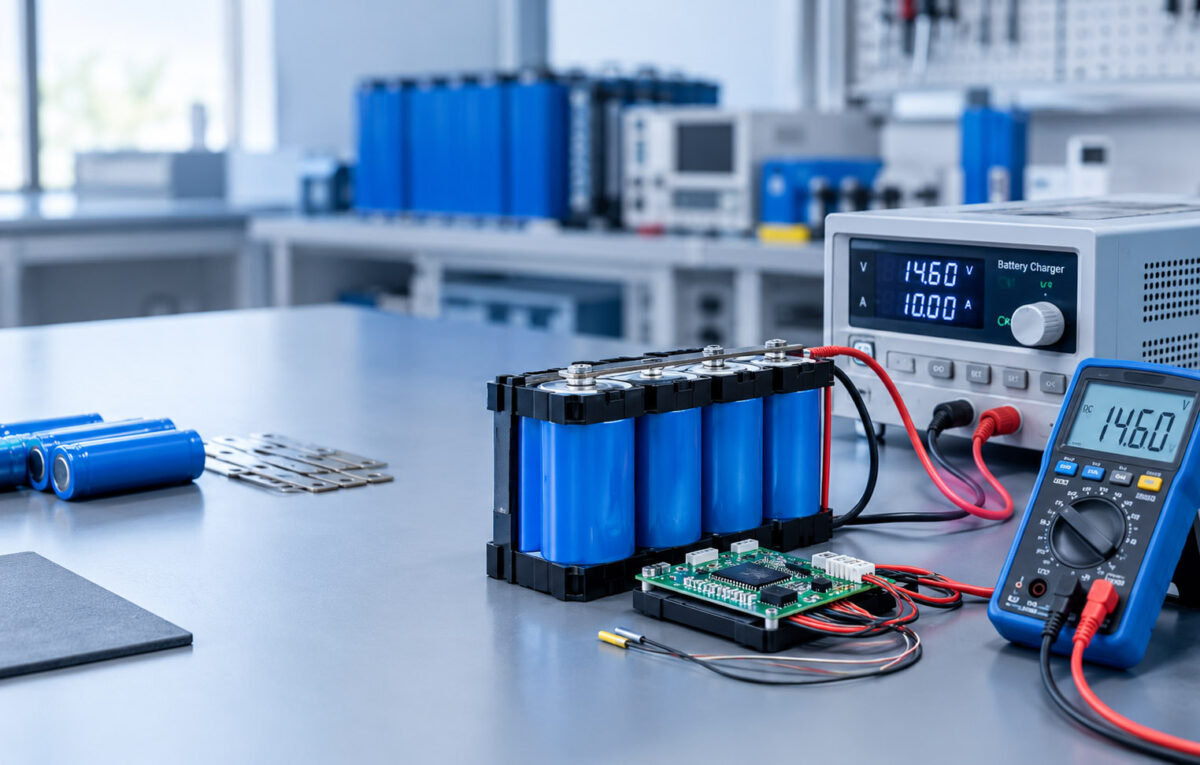
Đối với một ắc-quy LiFePO₄ 12V thông dụng dùng trong hàng hải, mức sạc đầy thường đạt khoảng 14,4V đến 14,6V, trong khi điện áp nghỉ sau khi sạc thường ổn định ở mức khoảng 13,3V đến 13,6V. Điều này là bình thường đối với công nghệ pin lithium và không nên nhầm lẫn với tình trạng ắc-quy chưa được sạc đầy.
Một bộ sạc tốt hơn nên đáp ứng các yêu cầu sau:
- • Cấu hình sạc tương thích với pin lithium
- • Điều khiển điện áp ổn định
- • Chống sạc quá mức và quá nhiệt
- • Hành vi thích hợp trong điều kiện thời tiết lạnh
Một thói quen sạc pin đơn giản nhưng hiệu quả trong thực tế
Quy trình sạc đáng tin cậy nhất thường là quy trình đơn giản nhất. Trước khi sạc, hãy kiểm tra các cực pin, tình trạng dây cáp, các bộ phận cố định và các dấu hiệu hao mòn có thể nhìn thấy. Trong hệ thống hàng hải, chất lượng tiếp xúc kém và hiện tượng ăn mòn là những nguyên nhân phổ biến dẫn đến suy giảm hiệu suất.
Tiếp theo, hãy kết nối bộ sạc theo đúng cực tính và đảm bảo các cực nối đã được cố định chắc chắn. Sau đó, hãy để bộ sạc hoạt động theo chế độ sạc lithium phù hợp. Một bộ sạc chất lượng sẽ sạc đầy pin mà không cần qua giai đoạn sạc duy trì kéo dài như pin chì-axit thường yêu cầu.
Danh sách kiểm tra tại hiện trường trước mỗi lần sạc
Kiểm tra các đầu nối, dây cáp và độ chắc chắn của giá đỡ.
Hãy đảm bảo rằng thông số kỹ thuật của bộ sạc phù hợp với thành phần hóa học của pin.
Hãy kiểm tra xem có bị ăn mòn, phồng rộp hoặc hư hỏng do nhiệt hay không.
Sau khi sạc xong, một pin LiFePO₄ còn tốt sẽ đạt đến dải điện áp dự kiến và duy trì ổn định sau một khoảng thời gian nghỉ ngắn. Nếu không đạt được điều này, cần kiểm tra lại các thiết lập của bộ sạc, hệ thống dây dẫn hoặc hệ thống quản lý pin trước khi kết luận rằng pin bị hỏng.
Việc sạc pin trong điều kiện thời tiết lạnh cần được chú ý đặc biệt
Thời tiết lạnh là một trong những điều kiện quan trọng nhất cần tuân thủ khi sạc pin lithium trên tàu biển. Nói chung, không nên sạc pin LiFePO₄ ở nhiệt độ dưới điểm đóng băng, trừ khi hệ thống pin được thiết kế riêng cho mục đích đó. Việc sạc pin ở nhiệt độ không an toàn có thể làm hỏng cấu trúc hóa học của tế bào pin và làm giảm độ tin cậy lâu dài.
Đối với chủ sở hữu thuyền, điều này rất quan trọng trong các giai đoạn hạ thủy đầu mùa, bảo quản mùa đông và vận hành trong điều kiện nước lạnh. Nếu ắc-quy quá lạnh, cách an toàn nhất là để ắc-quy tự ấm lên trước khi sạc. Một hệ thống ắc-quy được thiết kế hợp lý cũng có thể tích hợp tính năng bảo vệ khi sạc ở nhiệt độ thấp, giúp người dùng không phải lo lắng về vấn đề này.
Quy tắc chung khi sạc pin trong thời tiết lạnh
Nếu cảm thấy pin lạnh, cứng hoặc gây khó chịu khi cầm trên tay trong thời gian dài, đừng sạc pin một cách bừa bãi.
Hãy để pin trở về mức nhiệt độ an toàn trước đã.
Bảo quản, sử dụng hàng ngày và chăm sóc theo mùa
Ắc quy LiFePO₄ rất phù hợp với các loại thuyền chỉ được sử dụng không thường xuyên. Loại ắc quy này giữ điện tốt hơn nhiều loại ắc quy hóa học truyền thống và chịu được việc sạc xả thường xuyên một cách dễ dàng hơn. Tuy nhiên, thói quen bảo quản vẫn rất quan trọng. Một chiếc ắc quy không được sử dụng trong thời gian dài không nên để chịu tải không cần thiết hoặc bảo quản trong môi trường khắc nghiệt.
Đối với các tàu thuyền chỉ sử dụng theo mùa, tốt nhất nên bảo quản ắc-quy ở mức sạc vừa phải tại nơi mát mẻ, khô ráo thay vì để ắc-quy ở mức điện áp tối đa trong nhiều tháng liền. Trước khi đưa ắc-quy vào sử dụng trở lại, hãy kiểm tra điện áp, kiểm tra toàn bộ hệ thống dây điện và đảm bảo hệ thống sạc đã sẵn sàng hoạt động trong điều kiện bình thường.
Các phương pháp hay nhất về lưu trữ
- • Bảo quản pin ở mức sạc vừa phải
- • Bảo quản ở nơi khô ráo và thoáng mát
- • Ngắt kết nối các thiết bị không cần thiết trong thời gian bảo quản
- • Kiểm tra điện áp và hệ thống dây điện trước khi lắp đặt lại
Một hệ thống ắc-quy hàng hải chất lượng cao trông như thế nào
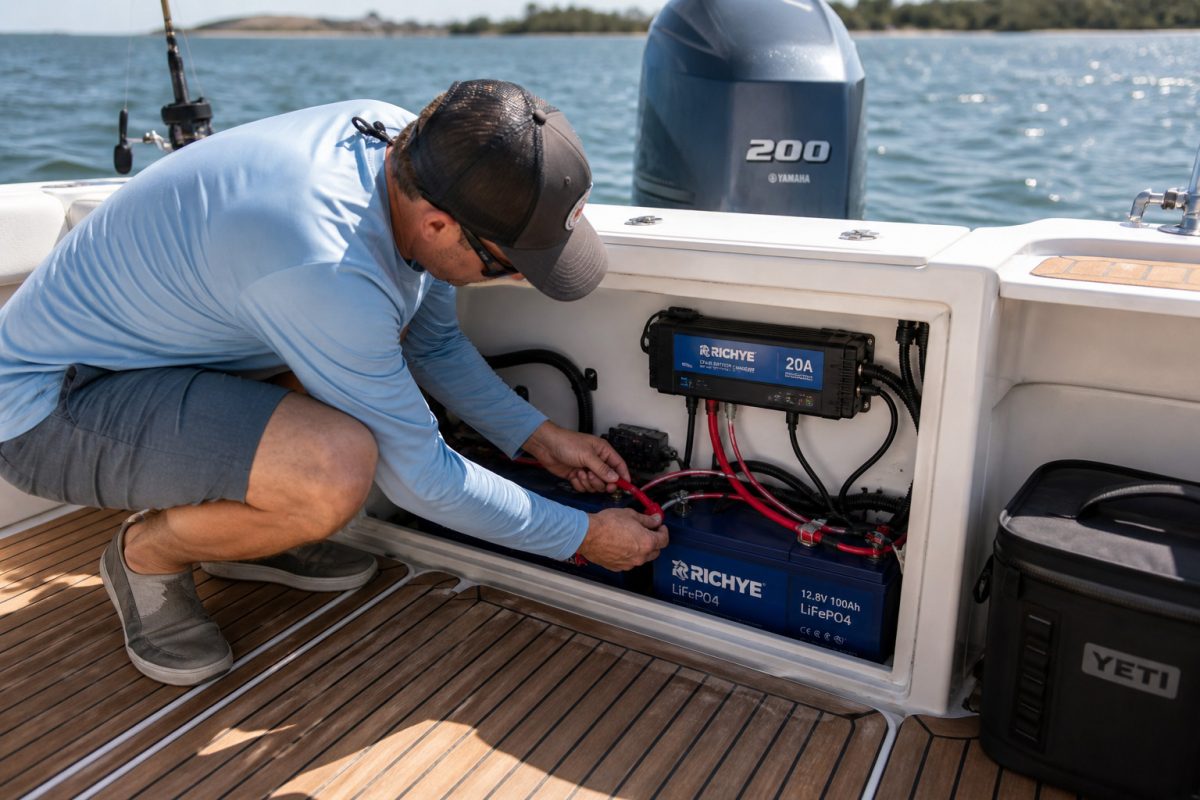
Không bao giờ nên coi ắc-quy hàng hải như một bộ phận độc lập. Ắc-quy này hoạt động hiệu quả nhất khi là một phần của hệ thống hoàn chỉnh, bao gồm bộ sạc, hệ thống dây điện, cầu chì, các thiết bị bảo vệ và hệ thống quản lý ắc-quy (BMS). Khi các bộ phận này được phối hợp đúng cách, ắc-quy sẽ dễ sạc hơn, an toàn hơn khi vận hành và hoạt động ổn định hơn trong quá trình sử dụng hàng ngày.
Đối với các hệ thống sử dụng pin RICHYE, cấu hình lý tưởng là cấu hình phù hợp giữa thông số kỹ thuật của bộ sạc với thành phần hóa học của pin, đảm bảo hệ thống dây dẫn gọn gàng và có kích thước phù hợp, đồng thời cung cấp cho hệ thống quản lý pin đủ khả năng kiểm soát để bảo vệ cụm pin khỏi các tình huống bất thường.
Một hệ thống sạc trên tàu biển hiệu quả thường bao gồm:
- • Bộ sạc tương thích với pin lithium
- • Dây dẫn và thiết bị bảo vệ có kích thước phù hợp
- • Hệ thống quản lý pin có các tính năng kiểm soát an toàn
- • Một hệ thống lắp đặt gọn gàng, thuận tiện cho việc kiểm tra và bảo trì
Các dấu hiệu thường gặp cho thấy hệ thống sạc cần được kiểm tra
Nếu pin dường như không bao giờ đạt được điện áp dự kiến, có thể do cấu hình bộ sạc không đúng hoặc pin bị ảnh hưởng bởi điều kiện thời tiết lạnh. Nếu quá trình sạc diễn ra chậm bất thường, có thể do công suất bộ sạc không đủ hoặc hệ thống dây dẫn đang hạn chế dòng điện. Nếu pin dường như sạc đầy quá nhanh, có thể hệ thống đang đo điện áp quá sớm và ngừng sạc trước khi pin thực sự hoàn tất chu kỳ sạc.
Những triệu chứng này không phải lúc nào cũng có nghĩa là pin đang hỏng. Thường thì chúng cho thấy có vấn đề về cài đặt, có thể khắc phục bằng cách điều chỉnh bộ sạc, kiểm tra lại hệ thống dây điện hoặc cải thiện chất lượng lắp đặt tổng thể.
Điểm chính cần ghi nhớ
Việc sạc pin tàu thuyền chu kỳ sâu đúng cách chủ yếu phụ thuộc vào việc tuân thủ các nguyên tắc hóa học và điều kiện môi trường hoạt động. Để đạt được kết quả tốt nhất, cần sử dụng bộ sạc phù hợp, tránh nhiệt độ không an toàn, giữ cho các điểm kết nối luôn sạch sẽ, đồng thời xem pin như một phần của hệ thống điện tàu thuyền tổng thể thay vì chỉ là một bộ phận riêng lẻ.
Khi ắc-quy, bộ sạc và hệ thống bảo vệ hoạt động đồng bộ, nguồn điện trên tàu sẽ trở nên đáng tin cậy hơn, dễ bảo trì hơn và tiết kiệm chi phí hơn nhiều về lâu dài.