















A Complete Guide to Selecting the Ideal Battery Management System for Modern Lithium Energy Applications
As lithium iron phosphate (LiFePO4) batteries continue to replace traditional lead-acid batteries across energy storage, electric vehicles, marine systems, RV power solutions, and industrial equipment, battery safety and reliability have become increasingly important. While LiFePO4 technology is recognized for its excellent thermal stability, long cycle life, and high efficiency, the battery pack still depends on one critical component to achieve its full potential — the Battery Management System (BMS).
A properly designed BMS works as the intelligent control center of a lithium battery pack. It continuously monitors battery conditions, protects individual cells, balances voltage differences, and communicates with external devices to ensure stable operation. Choosing an unsuitable BMS, however, can limit battery performance, reduce lifespan, or even create safety risks.
For this reason, selecting the right BMS is just as important as choosing high-quality battery cells. This guide explains the key factors engineers, manufacturers, and end users should consider when selecting a LiFePO4 battery management system.
Why Does a LiFePO4 Battery Need a BMS?
Baterias LiFePO4 are among the safest lithium battery chemistries available today. Compared with traditional lithium-ion batteries, they offer superior thermal stability and lower risk of overheating. However, safety advantages do not eliminate the need for intelligent battery protection.
A lithium battery pack is usually composed of multiple individual cells connected in series and parallel configurations. Even when cells come from the same production batch, small differences in capacity, internal resistance, and charging characteristics naturally occur. Over hundreds or thousands of charge cycles, these differences can become more significant.
Without proper management, several problems may occur:
- One cell may reach full charge earlier than others, causing overcharging.
- A weaker cell may discharge faster and trigger early shutdown.
- Excessive current may damage battery components.
- Extreme temperatures may accelerate battery aging.
- Cell imbalance may gradually reduce the usable capacity of the entire pack.
A high-quality BMS prevents these issues by monitoring voltage, current, temperature, and battery status in real time. It acts as a protection layer between the battery cells and the application system.
Understanding the Core Functions of a LiFePO4 BMS
A modern BMS does much more than simply disconnect the battery when problems occur. It performs several essential functions that directly affect battery performance and service life.
1. Cell Voltage Monitoring and Protection
Each LiFePO4 cell has a nominal voltage of approximately 3.2V, with a recommended charging limit around 3.65V per cell. The voltage difference between individual cells must remain within a safe range to maintain battery health.
The BMS continuously monitors every series cell and provides:
- Overcharge protection
- Over-discharge protection
- Individual cell voltage monitoring
- Abnormal voltage detection
This function is especially important for high-capacity battery packs used in electric vehicles, solar storage systems, and industrial equipment, where a single weak cell can affect the entire system.
2. Cell Balancing: Maintaining Long-Term Battery Performance
Cell balancing is one of the most important features of a BMS.
During normal operation, some cells may charge faster while others may hold less energy. Over time, voltage differences increase, reducing the available capacity of the entire battery pack.
There are two main balancing methods:
Passive Balancing
Passive balancing removes excess energy from higher-voltage cells through resistors and converts it into heat.
Vantagens:
- Lower cost
- Simple design
- Reliable for small and medium battery packs
However, passive balancing is relatively slow and wastes energy.
Active Balancing
Active balancing transfers energy from stronger cells to weaker cells instead of wasting energy as heat.
Vantagens:
- Higher efficiency
- Faster balancing speed
- Better performance for large-capacity batteries
For applications such as solar energy storage, baterias marítimas, electric forklifts, and commercial power systems, active balancing can provide better long-term performance.
RICHYE battery systems are designed with application-specific BMS solutions that consider different balancing requirements, helping customers achieve better reliability and longer service life.
How to Select the Correct BMS Specifications
Choosing a BMS requires more than matching the battery voltage. Several technical parameters must be carefully evaluated.
1. Match the Battery Chemistry
Different lithium chemistries have different voltage characteristics.
A BMS designed for NCM lithium batteries cannot automatically be used for LiFePO4 batteries because their charging voltage limits and protection parameters are different.
Always select a BMS specifically configured for LiFePO4 chemistry to ensure accurate protection.
2. Confirm the Series Cell Configuration
The number of cells connected in series determines the required BMS voltage configuration.
Common LiFePO4 configurations include:
- 4S system: approximately 12.8V battery pack
- 8S system: approximately 25.6V battery pack
- 16S system: approximately 51.2V battery pack
The BMS must exactly match the number of series cells. Using an incorrect configuration may cause inaccurate monitoring or system failure.
3. Choose the Correct Current Rating
Current capability is one of the most important selection factors.
The BMS current rating should be higher than the maximum continuous operating current of the application.
For example:
A 48V battery system powering a 3000W inverter may require:
3000W ÷ 48V = approximately 62.5A operating current
In this situation, selecting a 60A BMS provides little safety margin. A higher-rated BMS would offer better reliability, especially when considering startup current and temporary power peaks.
For demanding applications such as golf carts, forklifts, electric vehicles, and marine propulsion systems, choosing a BMS with sufficient current reserve is essential.
Temperature Protection: A Critical Feature Often Overlooked
Temperature management is another key factor in lithium battery safety.
Although LiFePO4 batteries have excellent thermal stability, extreme temperatures can still affect performance.
A reliable BMS should provide:
- High-temperature charging protection
- High-temperature discharge protection
- Low-temperature charging protection
- Temperature sensor monitoring
Low-temperature charging protection is particularly important because charging LiFePO4 batteries below freezing temperatures may cause lithium plating, permanently reducing battery capacity.
For outdoor applications such as RVs, marine systems, and solar storage, temperature monitoring should never be considered optional.
Smart BMS and Communication Technology
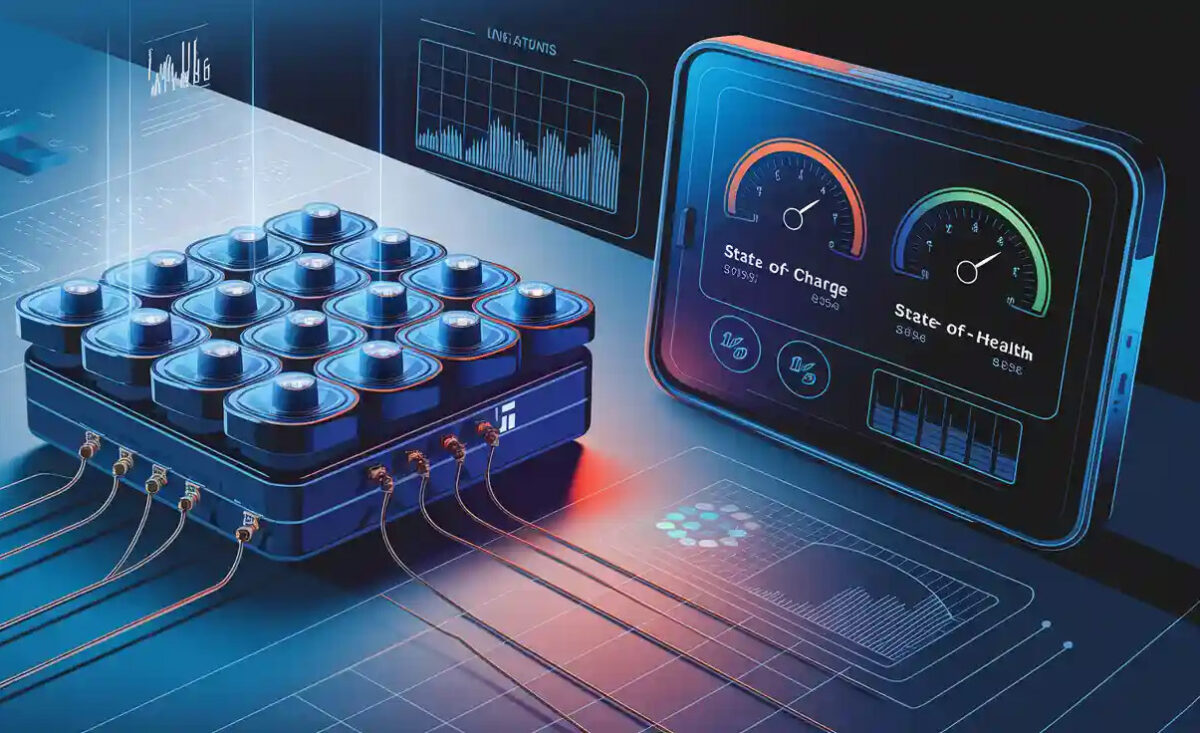
Modern lithium battery systems are becoming increasingly intelligent. Traditional BMS designs only provide basic protection, while smart BMS solutions offer real-time monitoring and communication capabilities.
Advanced BMS systems may support:
- Bluetooth monitoring
- CAN communication
- RS485 communication
- Battery status reporting
- State of charge (SOC) calculation
- Fault diagnosis
These functions allow users and system integrators to monitor battery health, optimize charging strategies, and quickly identify potential problems.
For commercial applications, communication compatibility between the BMS, inverter, charger, and energy management system is becoming an important design consideration.
Common Mistakes When Choosing a LiFePO4 BMS
Many battery failures are not caused by poor battery cells but by incorrect BMS selection.
Common mistakes include:
Selecting a BMS with insufficient current capacity
A BMS operating continuously near its maximum rating may generate excessive heat and experience premature failure.
Ignoring future expansion requirements
If a battery system may require additional capacity in the future, the BMS design should support possible upgrades.
Choosing based only on price
The cheapest BMS may lack accurate monitoring, reliable components, or proper protection functions. Since the BMS protects an expensive battery investment, reliability should always be the priority.
Neglecting installation quality
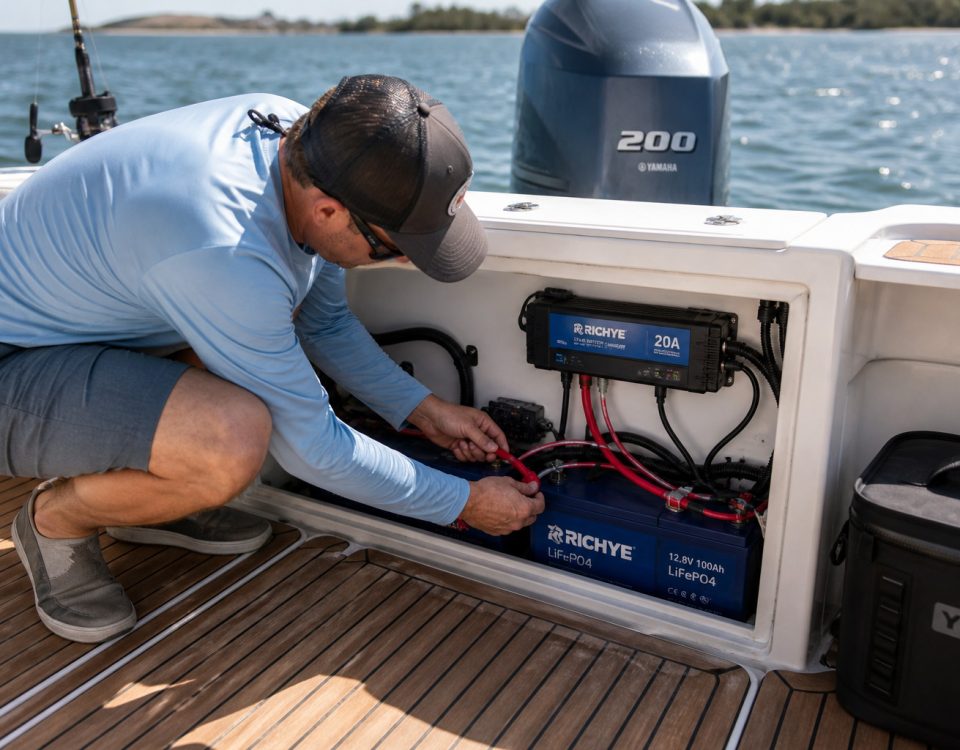
Even a high-performance BMS cannot function correctly if balance wiring, temperature sensors, or electrical connections are improperly installed.
Selecting the Right BMS for Different Applications
Different applications have different requirements.
Solar Energy Storage
Energy storage systems usually require:
- High cycle durability
- Accurate SOC monitoring
- Communication with inverters
- Strong balancing capability
Aplicações marítimas e para veículos de recreio
These systems require:
- Compact design
- Proteção de temperatura
- Vibration resistance
- Reliable operation in changing environments
Electric Vehicles and Industrial Equipment
Applications such as forklifts and electric carts demand:
- High discharge current capability
- Fast protection response
- Strong thermal management
- Long operating life
A properly matched BMS allows LiFePO4 batteries to deliver consistent power under demanding conditions.
Final Thoughts: The Right BMS Maximizes the Value of Your LiFePO4 Battery
A LiFePO4 battery is only as reliable as the management system controlling it. While battery cells determine energy capacity, the BMS determines how safely and efficiently that energy can be used.
When selecting a BMS, focus on the essential factors:
- Compatibility with LiFePO4 chemistry
- Correct series cell configuration
- Sufficient current capacity
- Reliable balancing function
- Proteção de temperatura
- Communication capability
By choosing a properly designed BMS, users can achieve safer operation, longer cycle life, and better overall return on investment.
With advanced battery technology and professional engineering experience, RICHYE continues to develop reliable lithium battery solutions designed for modern energy applications, helping customers maximize the performance and durability of LiFePO4 battery systems.