















Prismatic vs Cylindrical LiFePO₄ for Solar Storage: Which Cell Format Really Fits the Job?


A practical guide for solar installers, battery integrators, and storage buyers who want better performance, simpler maintenance, and fewer surprises in the field.

At a glance
Prismatic cells usually win in stationary solar storage because they save space and reduce connection count.
Cylindrical cells are easier to cool and often tolerate harsher mechanical conditions.
The best choice depends on cabinet size, heat control, assembly quality, and long-term service needs.

Why this choice matters more than many buyers think

In solar storage, the cell format is not just a packaging detail. It influences how efficiently a battery bank uses space, how many electrical joints it contains, how heat moves through the module, and how easy the system is to inspect later. Those factors directly affect cost, reliability, and lifetime maintenance. A battery that looks excellent on a spec sheet can still become difficult to service or prone to imbalance if the cell format does not match the application.

For most fixed solar applications, prismatic LiFePO₄(リフェポ cells are the natural first choice. They are rectangular, easy to stack, and efficient in cabinets where every millimeter matters. Cylindrical cells remain relevant, but they are often better suited to designs that need more airflow, stronger mechanical tolerance, or a different manufacturing approach.

Prismatic cells: the format built for efficient stationary storage

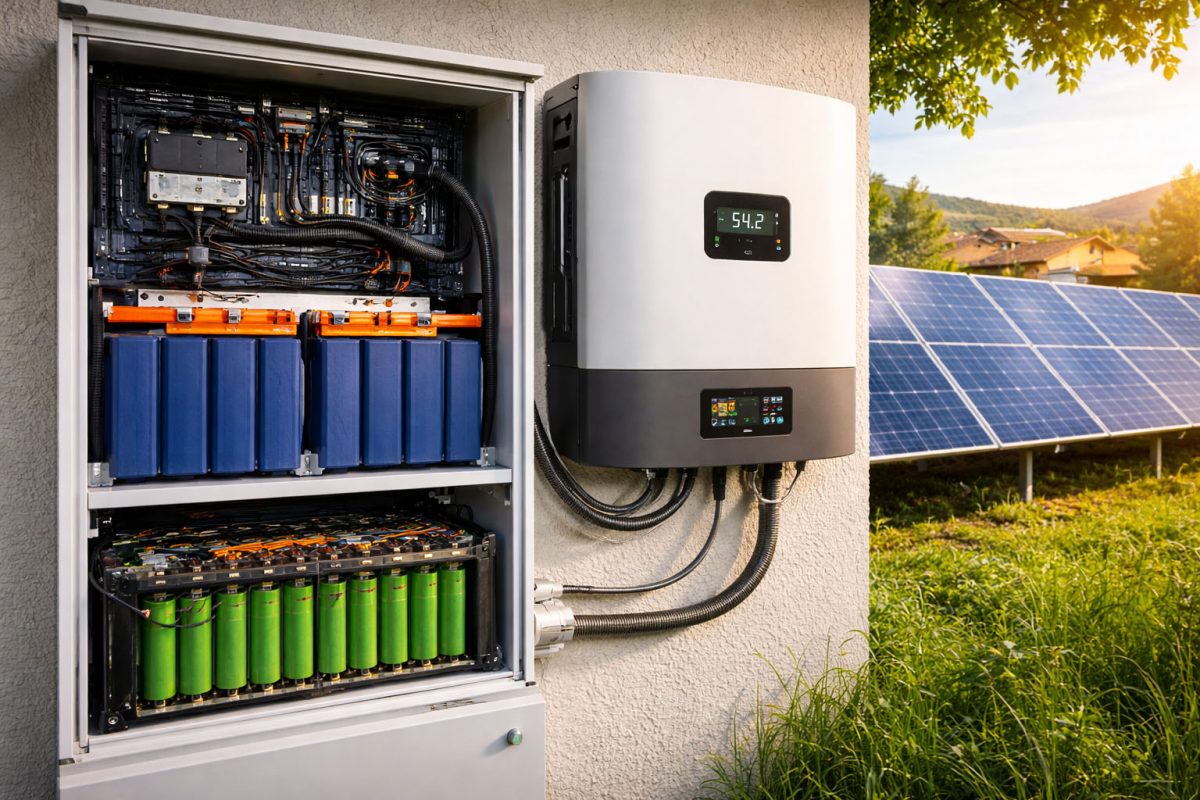
Prismatic cells are popular in solar banks for one simple reason: they use space well. Their flat sides allow neat module layouts, which helps designers fit more usable capacity into a smaller enclosure. That becomes especially valuable in residential battery cabinets, rack-mounted systems, and commercial energy storage rooms where footprint is limited.

Another major advantage is connection simplicity. A prismatic module can often be built with fewer series and parallel interconnects than an equivalent cylindrical design. Fewer connections mean fewer chances for loose joints, resistance buildup, heat spots, or assembly errors. In real-world service work, that matters as much as the battery chemistry itself.

Where prismatic cells usually make the most sense
• Home solar storage
• Rack batteries for backup power
• Commercial cabinets with strict size limits
• Systems that value simple wiring and lower part count

The tradeoff is that prismatic cells require disciplined mechanical design. They do not like being stacked carelessly or installed without proper support. If compression is uneven, if the enclosure flexes, or if heat is trapped inside a dense module, cell balance and long-term stability can suffer. In practice, prismatic systems perform best when the pack structure is rigid, the busbars are well designed, and the thermal path is considered from day one.

Cylindrical cells: the strong choice when cooling and toughness matter

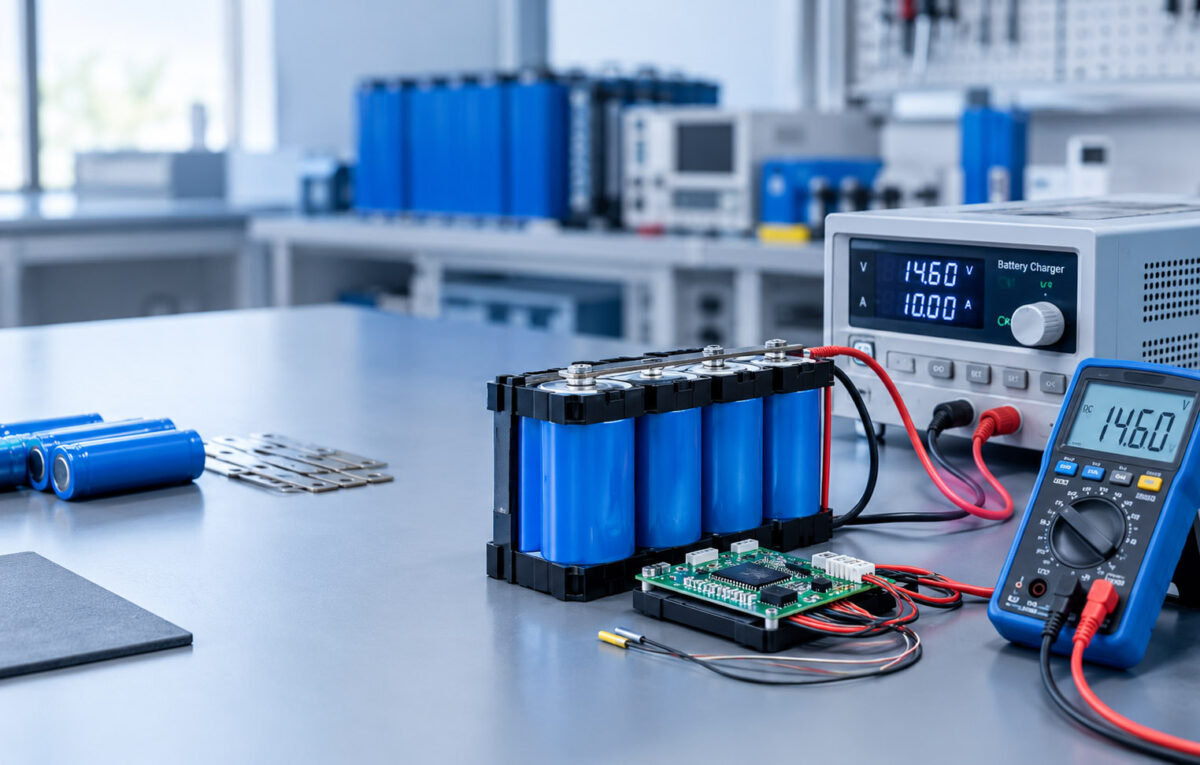
Cylindrical LiFePO₄ cells have a different personality. Their round geometry leaves gaps between cells, which can improve airflow and help heat escape more naturally. That makes them attractive in environments where temperature control is more demanding or where the battery may see stronger mechanical stress.

They also benefit from a structurally robust can, which can help the cell resist deformation. In rougher operating conditions, that mechanical strength can be an advantage. This is one reason cylindrical cells continue to appear in systems that need resilience, repeated current swings, or a layout that favors cooling over density.

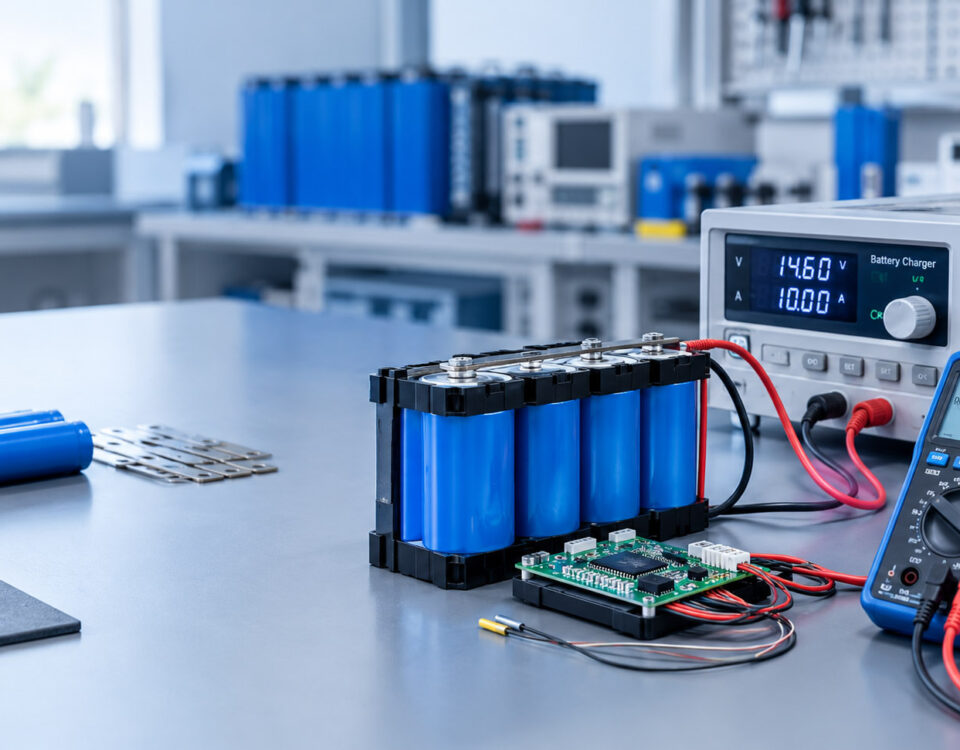
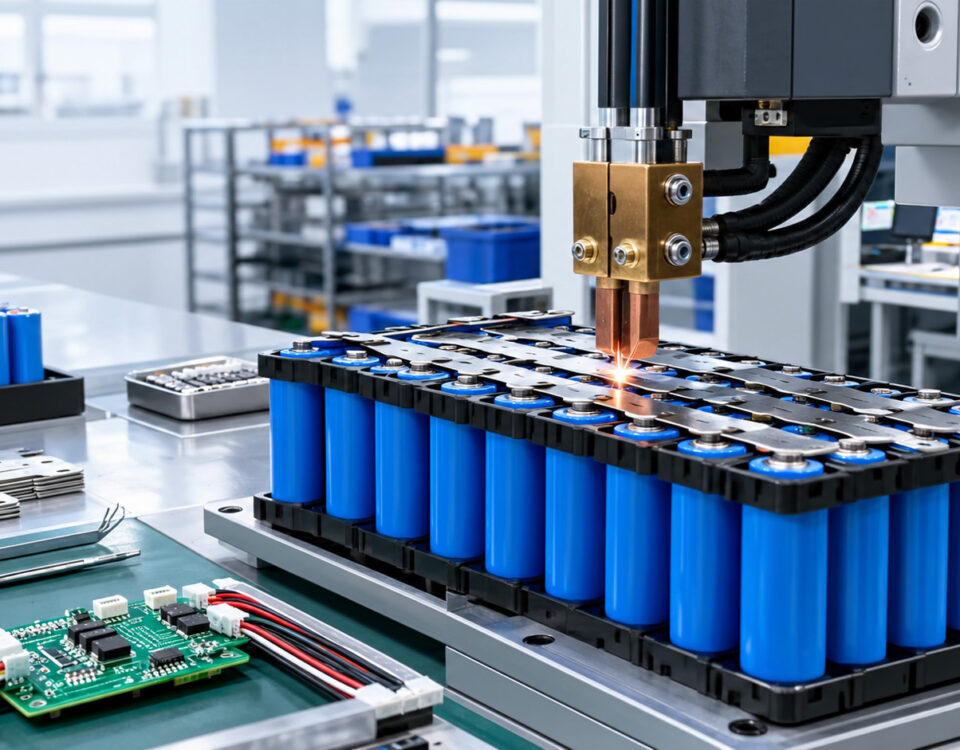
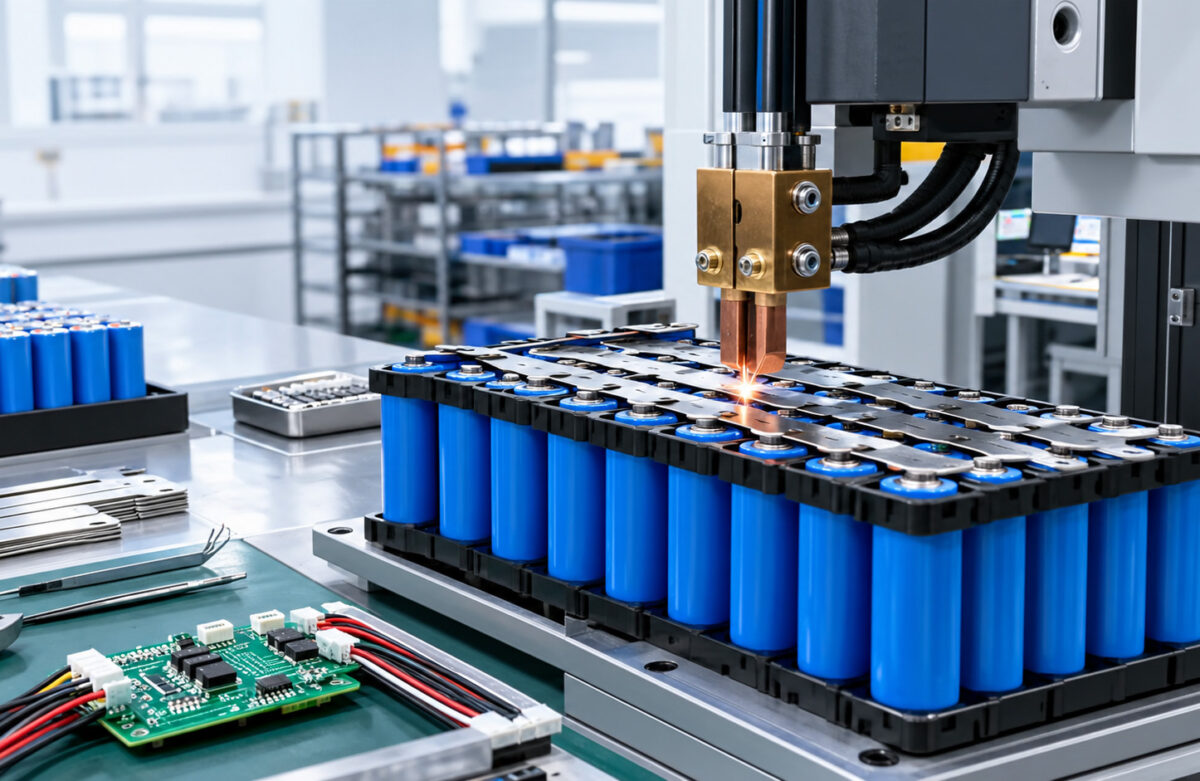
The downside is assembly complexity. To reach the same capacity as a prismatic module, a cylindrical pack usually requires many more individual cells and many more electrical connections. That increases labor, inspection time, and the number of potential weak points. In large stationary solar systems, that extra complexity is often harder to justify unless the design specifically benefits from it.

The real-world decision: do not buy by format alone

A good solar battery is not defined by whether it uses prismatic or cylindrical cells. It is defined by how well the whole system is engineered. The same cell format can perform very differently depending on busbar design, enclosure airflow, BMS tuning, compression method, and installation quality.

That is why the most practical buyers ask a different question: which format reduces the number of problems in my specific system?

Use prismatic cells when you want:
• Higher space efficiency
• Fewer electrical joints
• Simpler module architecture
• Easier inspection and cabinet integration
Use cylindrical cells when you want:
• Better airflow between cells
• Stronger mechanical tolerance
• A design that can handle harsher operating conditions
• A cell architecture that fits a more modular build approach

What solar buyers should ask before choosing a format

In the field, battery failures often come from the details that were ignored during procurement. Before selecting a cell format, a buyer should ask whether the module has enough thermal margin, whether the pack structure keeps cells evenly supported, whether the BMS is calibrated to the expected duty cycle, and whether the enclosure allows practical maintenance later.

For example, a compact residential bank may benefit more from prismatic cells because the system must fit cleanly into a wall-mounted or rack-mounted cabinet. A commercial storage system may also prefer prismatic construction because technicians can service it more quickly and verify fewer connections. On the other hand, a design that expects stronger vibration, less controlled airflow, or more demanding thermal variation may gain real value from cylindrical construction.

For brands such as リヒ, the best engineering approach is to match the format to the use case rather than treating one format as universally superior. That is the difference between a battery that simply works on day one and a system that continues working after years of cycling.

Conclusion: choose the format that lowers system risk

In solar storage, prismatic and cylindrical LiFePO₄ cells both have a place. Prismatic cells are usually the more efficient and practical option for fixed installations because they save space and reduce complexity. Cylindrical cells remain compelling where thermal behavior and ruggedness matter more. The right answer is not the one that sounds best in a brochure; it is the one that produces the most stable, serviceable, and predictable battery system in real use.

For most solar storage projects, especially those built around cabinets, racks, and stationary backup systems, prismatic cells will remain the default choice. But the strongest systems are always the ones designed with the operating environment in mind. That is where professional battery engineering begins.