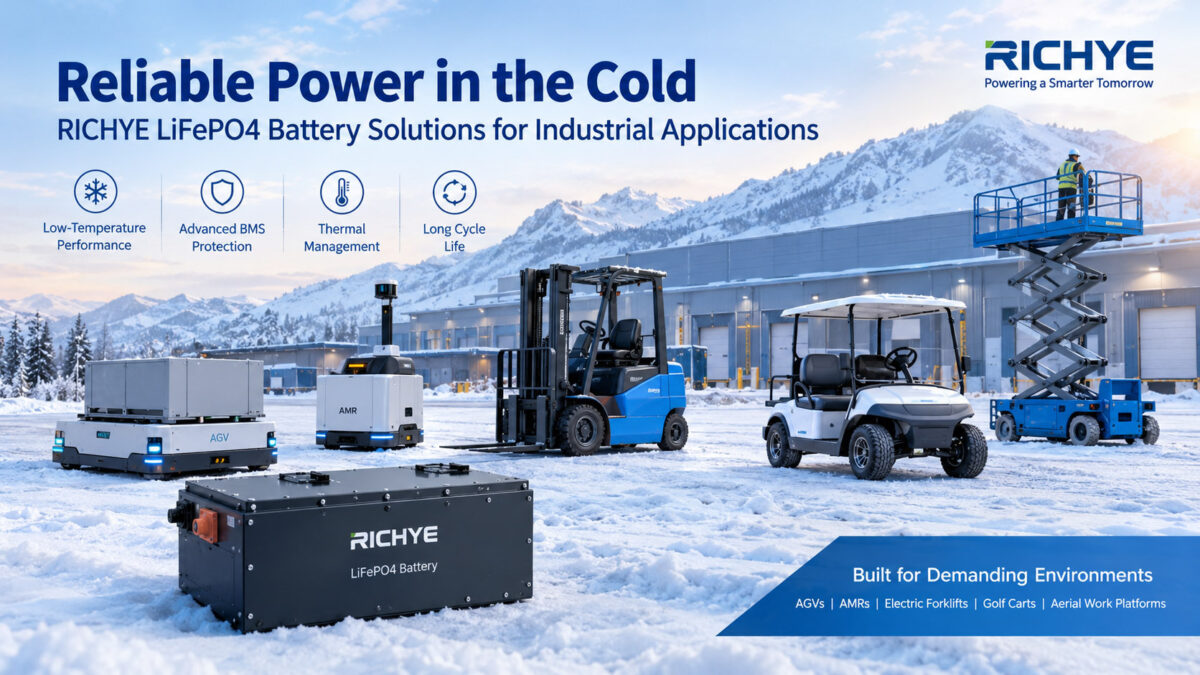


A Practical Engineering Guide to Battery Performance, Safe Charging, and Thermal Management for AGVs, AMRs, Electric Forklifts, Golf Carts, and Aerial Work Platforms
Why Cold Weather Changes Battery Performance
For industrial equipment operating outdoors, in refrigerated warehouses, or across regions with long winters, low temperatures can become a significant barrier to reliable battery performance. A lithium iron phosphate (LiFePO4 or LFP) battery may deliver excellent cycle life, thermal stability, and dependable power under normal conditions, yet behave very differently when exposed to freezing temperatures.
The challenge is not simply that a battery stores less energy in winter. Cold conditions can also increase internal resistance, reduce power output, slow charging, and interfere with the charging process itself. For businesses operating automated guided vehicles (AGVs), autonomous mobile robots (AMRs), electric forklifts, golf carts, and aerial work platforms, these effects can translate into shorter operating shifts, longer charging windows, and reduced equipment availability.
Understanding the relationship between temperature and battery chemistry is therefore essential when selecting a power system for demanding environments. RICHYE focuses on application-oriented lithium battery systems designed around the operating requirements of industrial equipment, where dependable performance depends on the complete battery solution rather than cell chemistry alone.
1. What Happens to LiFePO4 Batteries in Cold Temperatures?
A baterai litium generates electrical energy through electrochemical reactions involving the movement of lithium ions between its electrodes. As temperature decreases, these reactions become slower, electrolyte conductivity declines, and ion transport becomes more difficult.
The combined effects increase the battery’s internal resistance and polarization. Under load, the terminal voltage may drop more sharply, even when the battery still contains a meaningful amount of stored energy. If the voltage reaches the equipment’s lower operating threshold, the battery may be unable to deliver all its nominal capacity before the system shuts down.
Three effects deserve particular attention.
Reduced usable capacity: A cold battery generally delivers less usable energy than the same battery at a moderate temperature. The magnitude of the reduction depends on cell design, discharge current, state of charge, and the duration of cold exposure. Consequently, a battery rated for a particular energy capacity should not automatically be expected to deliver that entire amount in subzero conditions.
Lower power availability: Increased internal resistance creates greater voltage sag during acceleration, lifting, climbing, or other high-current operations. Equipment may experience earlier low-voltage warnings or power limitations, particularly when a cold battery must supply sudden bursts of current.
Slower charging: Lithium ions move less readily through the electrolyte and into the electrode structure at low temperatures. Charging performance therefore becomes increasingly constrained as the cells cool, making temperature-aware charging control essential.
These effects are related but not identical. A battery that can discharge safely at a particular subzero temperature is not necessarily capable of accepting a charge at that same temperature.
2. Why Charging Below Freezing Requires Special Attention
Low-temperature charging is one of the most important considerations in LFP battery system design.
During normal charging, lithium ions move toward the graphite anode and become incorporated into its structure. At sufficiently low temperatures, this process can become too slow to accommodate the applied charging current. Metallic lithium may then deposit on the anode surface, a phenomenon known as lithium plating.
Lithium plating can cause irreversible capacity loss, increase cell resistance, and create additional internal safety risks. The damage may accumulate gradually rather than appearing as an immediate equipment failure.
For this reason, conventional LiFePO4 cells commonly prohibit charging below 0°C unless the manufacturer explicitly permits a different temperature-dependent charging strategy. The precise limits must always be determined from the selected cell and battery manufacturer’s specifications.
A battery management system (BMS) should monitor cell temperature and restrict or interrupt charging whenever conditions fall outside the permitted operating range. For applications that must recharge outdoors during winter, this protection should be combined with an appropriate heating strategy or cells specifically qualified for low-temperature charging.
Reducing the charging current alone should not be assumed to make subzero charging safe. Any alternative charging procedure must be supported by the cell manufacturer’s validated operating limits.
3. Thermal Management: The Foundation of Reliable Cold-Weather Operation
A well-designed thermal management strategy helps maintain battery cells within their permitted operating range while minimizing unnecessary energy consumption.
For cold-weather applications, three approaches are particularly useful.
Battery Preheating
A preheating system raises cell temperature before charging or demanding operation begins. Heating elements may be integrated into the battery enclosure, with temperature sensors and BMS controls regulating the process.
Depending on the system design, preheating can be powered by an external charging source or another approved energy supply. Charging should only begin after the cells have reached the required temperature and the BMS has confirmed that the charging conditions are acceptable.
Insulation and Heat Retention
Insulation reduces heat loss and can help maintain a more stable internal temperature. It is especially useful when equipment operates outdoors, experiences frequent stops, or remains exposed to cold air for extended periods.
However, insulation does not generate heat. Its effectiveness depends on the available heat sources, ambient conditions, enclosure design, and operating schedule. The enclosure must also accommodate ventilation, moisture control, and heat dissipation during warmer conditions.
Integrated Thermal Design
More demanding applications may benefit from a coordinated thermal management system incorporating heating elements, temperature sensors, optimized cell spacing, and controlled heat distribution.
The objective is not merely to warm the battery quickly. It is to avoid excessive temperature differences between cells, prevent localized overheating, and ensure that charging and discharging remain within safe limits.
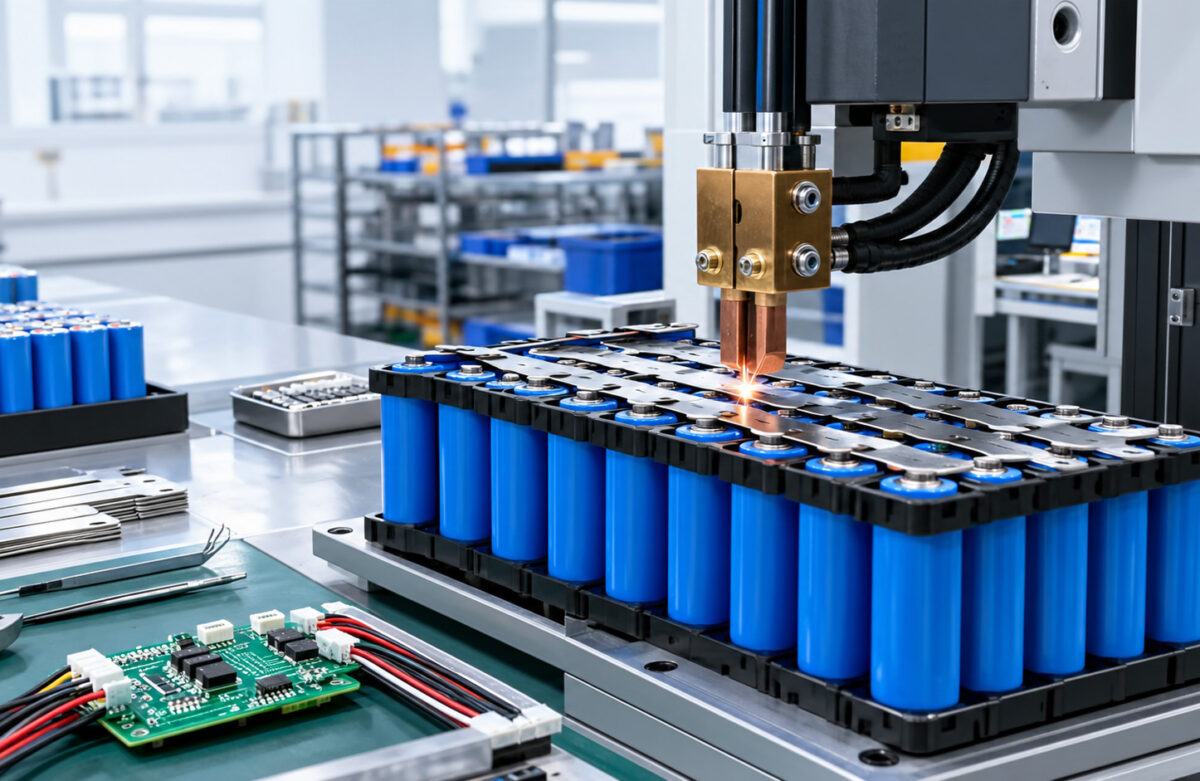
For industrial battery packs, thermal management should be designed alongside electrical protection, mechanical structure, and control-system integration.
4. Matching Cold-Weather Battery Design to Industrial Applications
Different equipment types place different demands on their batteries. A practical cold-weather solution must account for operating cycles, peak power, charging opportunities, installation space, and exposure to the elements.
AGV and AMR Battery Systems
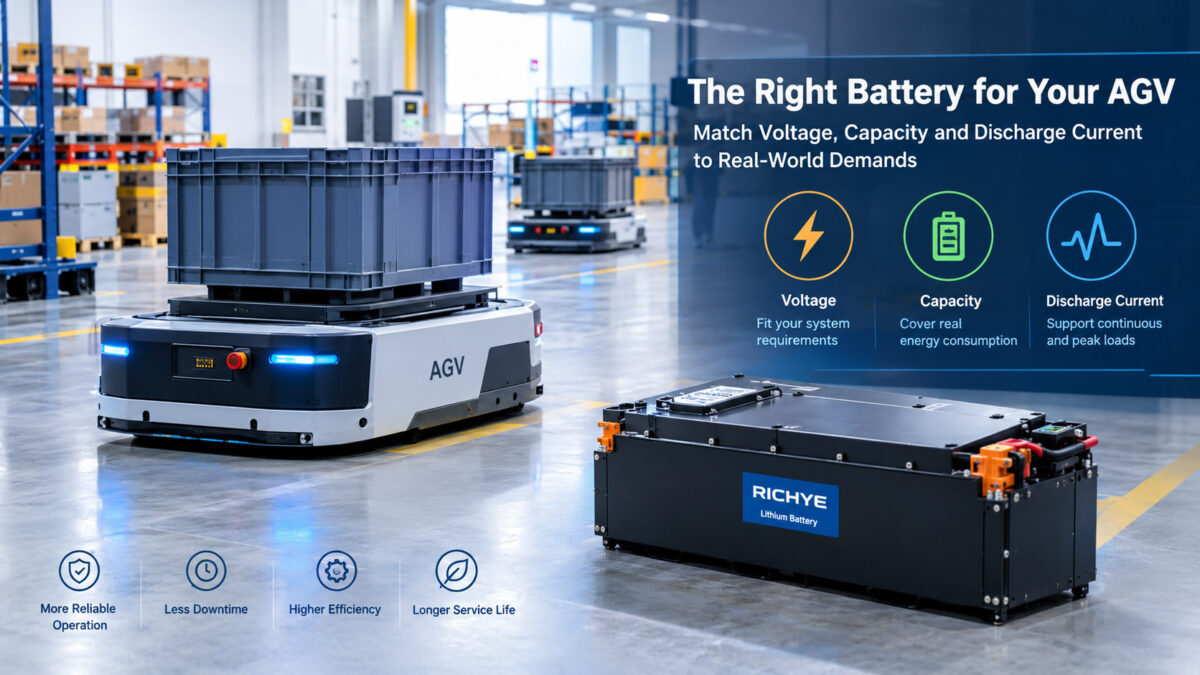
Automated guided vehicles and autonomous mobile robots often operate on scheduled routes in warehouses, manufacturing plants, and distribution centers. In facilities with refrigerated zones or unheated loading areas, cold batteries can reduce available runtime and disrupt automated charging schedules.
A suitable RICHYE AGV or AMR battery system should be evaluated for temperature-dependent capacity, peak-current requirements, charging frequency, BMS communication, and compatibility with the vehicle’s charging station.
For fleets using opportunity charging, the battery must also be able to accept energy within the available charging window. Preheating time should be included in cycle planning because a battery that requires warming before charging may not recover enough energy during a short production break.
Electric Forklift Batteries
Electric forklifts frequently experience high-current demand during acceleration, lifting, and travel with heavy loads. In cold environments, increased internal resistance can contribute to greater voltage sag and reduced power availability.
A RICHYE electric forklift battery solution should therefore be assessed against the actual load profile, shift duration, lifting requirements, and charging infrastructure.
For refrigerated warehouses and outdoor material-handling operations, engineers should evaluate battery heating, low-temperature charging protection, and the effects of repeated temperature changes. Battery capacity should be selected using realistic winter operating conditions rather than nominal capacity alone.
Golf Cart Battery Systems
Golf carts and utility carts often operate outdoors, where ambient temperature, wind exposure, and overnight storage conditions can vary considerably. Cold weather may reduce driving range and affect performance on hills or under heavier passenger and cargo loads.
A RICHYE golf cart battery system should be selected according to expected daily mileage, peak current, terrain, storage temperature, and the availability of indoor charging.
Owners and fleet operators should also distinguish between reduced winter performance and permanent battery degradation. Capacity can improve as the cells return to a suitable temperature, but damage caused by improper charging may not be reversible.
Aerial Work Platform Batteries
Aerial work platforms rely on dependable battery power for travel, elevation, and hydraulic or electric lifting functions. Their batteries must support both sustained energy consumption and intermittent high-power demands.
For RICHYE aerial work platform battery systems, cold-weather engineering should consider the machine’s complete duty cycle, including time spent idle outdoors, the power required during lifting, and the temperature conditions at the charging location.
Battery selection should also account for enclosure protection, vibration, connector reliability, and communication with the machine’s control system. These factors are particularly important where an unexpected voltage drop could interrupt a work cycle at height.
5. The BMS: Turning Temperature Data into Safe Battery Operation
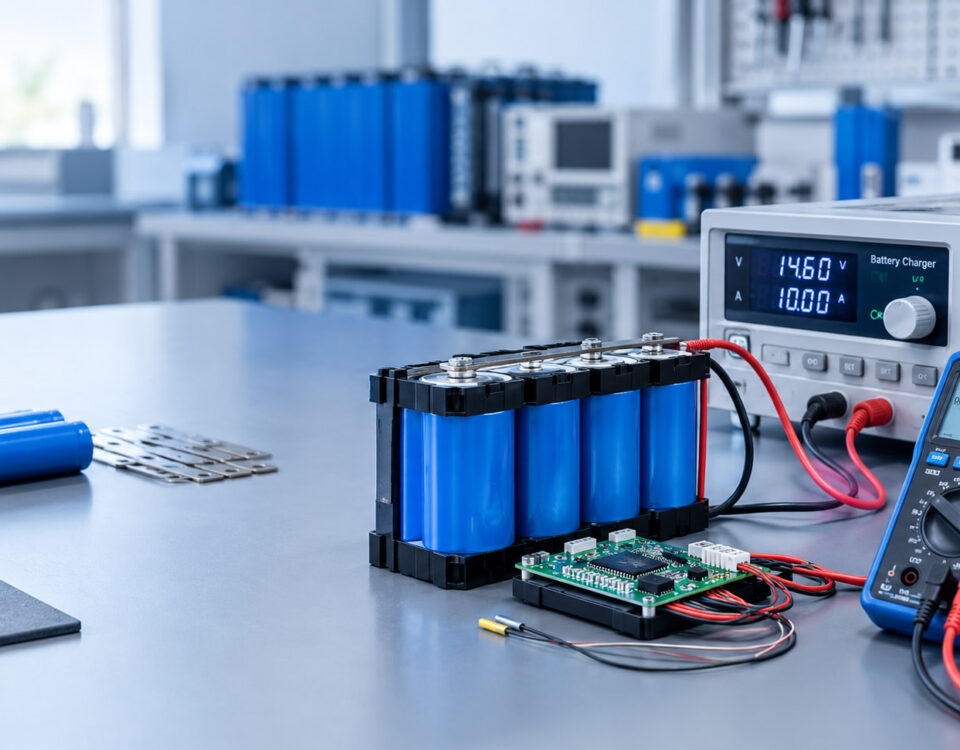
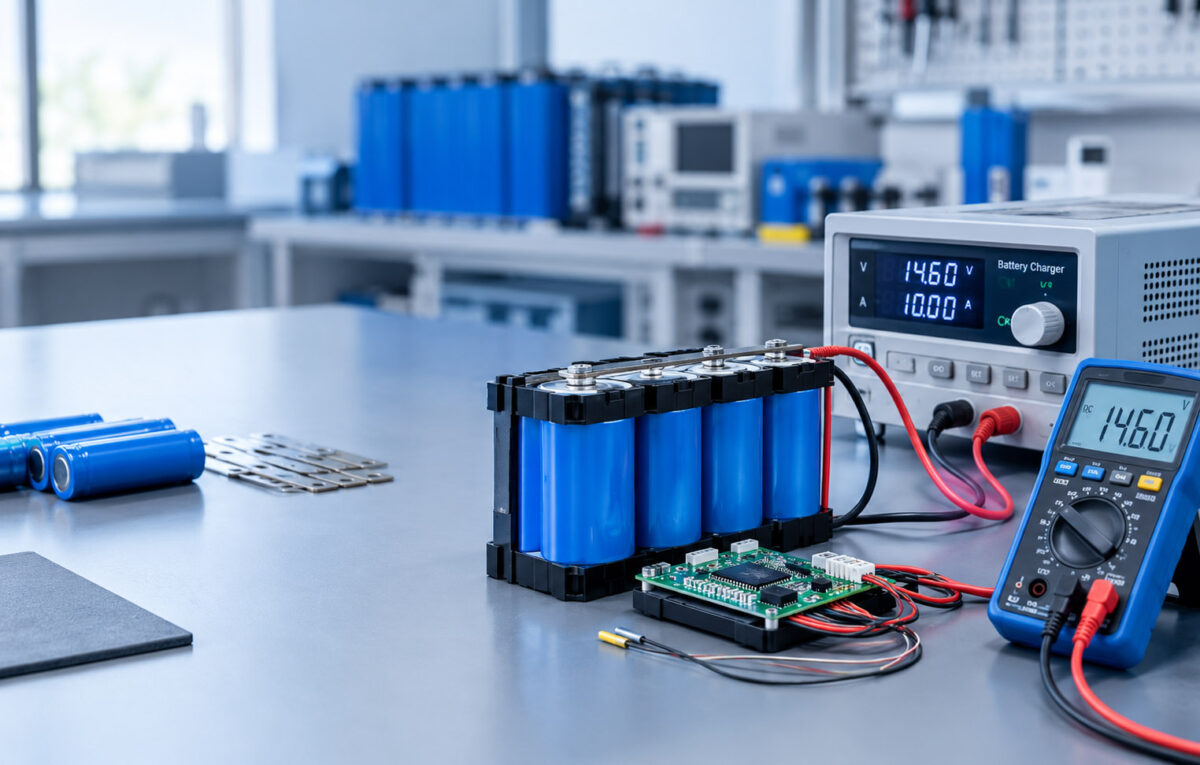
A battery management system is central to cold-weather battery reliability. It does more than monitor remaining charge; it provides the control functions needed to keep the battery operating within its specified limits.
An effective BMS should monitor relevant cell temperatures, pack voltage, current, and cell-level voltage differences. Based on these measurements, it can limit charging current, prevent charging at prohibited temperatures, and disconnect the battery when necessary to protect the cells.
In a heated battery system, the BMS can coordinate the heater and charging process. For example, when a cold battery is connected to a compatible charger, the system may direct available power toward heating first and permit normal charging only after the required cell temperature is reached.
Communication is equally important in industrial applications. Where the battery exchanges information with a vehicle controller or charger, temperature-related restrictions should be communicated and handled correctly. Otherwise, the battery, charger, and equipment may respond inconsistently to the same operating condition.
A reliable solution therefore requires coordination among the cells, BMS, heating system, charger, and equipment controller.
6. How to Select a Battery for Cold-Climate Operation
When comparing battery systems, buyers should look beyond nominal voltage and ampere-hour capacity. The following questions help establish whether a battery is suitable for the intended environment.
-
What are the actual temperature limits? Confirm the permitted charging, discharging, and storage temperatures for the specific battery model.
-
Is low-temperature charging supported? Determine whether charging is prohibited below freezing, permitted under a validated current-limiting strategy, or enabled through integrated preheating.
-
How much usable energy remains in winter? Request capacity data at representative temperatures and discharge rates rather than relying exclusively on room-temperature specifications.
-
How long does preheating take? Include heating energy and warm-up time when estimating daily operating hours and charging availability.
-
Can the battery handle peak loads? Check continuous and peak discharge-current ratings against actual equipment requirements, particularly for forklifts and lifting platforms.
-
Does the system integrate with existing equipment? Verify voltage compatibility, charger settings, communication protocols, physical dimensions, connectors, and protection functions.
Where possible, request test results covering low-temperature discharge, charging protection, thermal uniformity, and repeated cold-start operation. Testing should reflect the expected duty cycle instead of relying on a single laboratory measurement.
7. Practical Maintenance for Winter Performance
Even a properly engineered battery system benefits from sound operating practices.
Before winter begins, inspect battery connections, charging equipment, temperature sensors, and heating functions. Confirm that the BMS settings match the battery manufacturer’s requirements and that operators understand low-temperature charging restrictions.
During daily operation, avoid charging a cold battery until its internal temperature meets the specified charging conditions. If the battery is designed for automatic preheating, ensure that the charging source and control sequence are compatible with that function.
Where equipment is stored outdoors, consider a protected charging location or an appropriately designed thermal enclosure. Monitor changes in operating duration and voltage behavior, as unexpected winter performance losses may indicate a thermal management problem, an undersized battery, or an emerging electrical fault.
For long-term storage, follow the manufacturer’s specified state-of-charge and temperature recommendations. Avoid leaving a battery exposed to conditions outside its permitted storage range.
Conclusion: Build Cold-Weather Reliability into the Entire Battery System
Low temperatures affect much more than the nominal capacity of a Baterai LiFePO4. They influence internal resistance, voltage stability, charging acceptance, available power, and long-term durability. In particular, charging under unsuitable subzero conditions can cause lithium plating and permanent damage.
The most effective solution combines appropriate cell technology, a correctly configured BMS, temperature-aware charging, thermal management, and application-specific battery sizing. AGVs, AMRs, electric forklifts, golf carts, and aerial work platforms each have different power demands and operating patterns, so their cold-weather battery systems should be engineered accordingly.
RICHYE battery solutions are intended to support demanding equipment applications where reliability, integration, and consistent power delivery matter. By evaluating the full operating environment and designing for winter conditions from the outset, equipment manufacturers and fleet operators can improve energy availability, protect battery life, and maintain more predictable operations throughout the year.